Skin Brightening Treatment in Nandyala
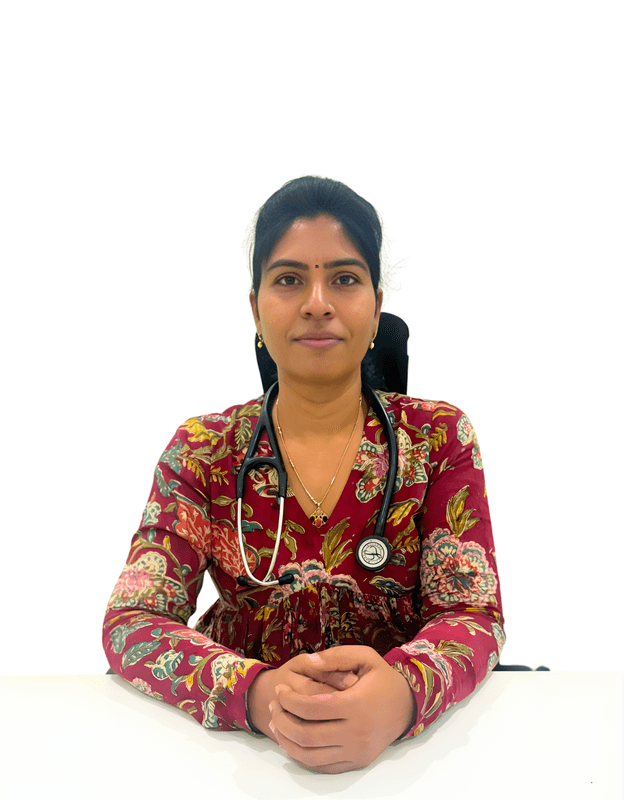
Even skin tone, restored radiance, and a healthy natural glow — these are the goals of Dr. Sireesha's skin brightening programmes at Yashvini Skin & Hair Clinic, Nandyala. Using evidence-based topical actives and in-clinic procedures, we address pigmentation, dullness, and uneven tone safely and ethically.
What Is Skin Brightening Treatment?
Skin brightening treatment at Yashvini Clinic is a medically guided approach to restoring your skin's natural radiance and achieving a more even, luminous complexion. It is important to be clear about what skin brightening means in a clinical context: it is not about lightening your natural skin colour or achieving a 'fair' skin tone. It is about addressing conditions that cause uneven pigmentation, dullness, dark spots, post-inflammatory hyperpigmentation, and sun damage — restoring the skin to its healthy baseline and allowing it to look its best at its own natural tone. The emphasis is on radiance, evenness, and glow.
Pigmentation disorders are extremely common in South India due to year-round UV exposure, high humidity, hormonal factors (PCOS, pregnancy-related melasma), and the inherent characteristics of darker Fitzpatrick IV–VI skin tones which produce melanin more readily in response to inflammation and UV stimulation. Dull, uneven skin tone is also worsened by dehydration, pollution, inadequate sun protection, and irregular exfoliation. The most effective approach combines a daily evidence-based skincare routine with targeted in-clinic procedures.
The cornerstone actives used in skin brightening are well-studied: Vitamin C (L-ascorbic acid) is a potent antioxidant that inhibits melanin synthesis and neutralises UV-induced free radicals. Niacinamide (vitamin B3) reduces the transfer of melanin to skin cells, minimises pores, and improves overall skin texture. Kojic acid and arbutin interrupt the tyrosinase enzyme pathway in melanocytes. Tranexamic acid has emerged as one of the most effective agents for melasma and post-inflammatory hyperpigmentation with an excellent safety profile in Indian skin. These actives are most effective when supported by an absolute commitment to daily SPF 50+ broad-spectrum sunscreen — without which any brightening treatment provides only temporary benefit.
Causes
Symptoms & Types
Post-Inflammatory Hyperpigmentation (PIH)
Dark marks left behind after acne lesions, insect bites, eczema, or minor injuries. The darker the skin tone, the more pronounced PIH tends to be. Very common in South Indian skin. Responds well to topical brightening agents (tranexamic acid, niacinamide, kojic acid) and superficial chemical peels.
Melasma
Symmetrical patches of brown or greyish pigmentation on the cheeks, upper lip, forehead, and chin. Driven by UV exposure and hormonal factors — common in pregnant women and women on oral contraceptives. A chronic condition requiring long-term maintenance: sunscreen + topical depigmenting agents + periodic procedures.
Sun Damage & Solar Lentigines
Flat brown spots (age spots/sun spots) caused by accumulated UV exposure, typically on the face, neck, hands, and forearms. Respond to Q-switched Nd:YAG laser toning, chemical peels, and topical vitamin C. Daily SPF 50+ prevents new spots and prevents existing ones from darkening.
Dull, Dehydrated Skin
Loss of natural radiance from inadequate hydration, irregular exfoliation, pollution, and poor sleep. HydraFacial, antioxidant serums, and consistent moisturisation can dramatically improve luminosity without targeting specific pigmentation lesions.
Uneven Skin Tone
General patchiness or mismatch in tone across different areas of the face or body — including underarms, inner thighs, neck, and knees. Commonly caused by friction, chronic inflammation, and hormonal changes. Responds to a combination of gentle exfoliation, topical brightening actives, and sun protection.
Treatment Options at Yashvini Clinic
Topical Vitamin C (L-Ascorbic Acid)
Applied in the morning, vitamin C inhibits tyrosinase (a key enzyme in melanin synthesis) and neutralises UV-induced free radicals. Concentrated formulations (10–20%) produce visible brightening and anti-aging benefits with consistent use over 8–12 weeks. Synergistic with niacinamide and sunscreen.
Niacinamide & Tranexamic Acid
Niacinamide (4–10%) reduces melanin transfer to keratinocytes, minimises pores, and improves overall skin texture. Topical or oral tranexamic acid has emerged as one of the most effective agents specifically for melasma and post-inflammatory hyperpigmentation, with an excellent safety profile in darker skin tones.
Kojic Acid & Arbutin
Plant-derived tyrosinase inhibitors that reduce melanin formation at the source. Kojic acid is particularly effective in combination formulations with niacinamide or vitamin C. Arbutin (especially alpha-arbutin) is gentle enough for sensitive skin and offers a safer alternative to hydroquinone for long-term use.
Chemical Peels (Superficial)
Monthly glycolic, lactic, or salicylic acid peels accelerate exfoliation of pigmented skin cells and stimulate collagen synthesis. In combination with topical brightening agents, peels can significantly reduce post-acne marks, sun damage, and melasma over a course of 4–6 sessions.
Q-Switched Nd:YAG Laser Toning
Low-fluence Q-switched Nd:YAG 1064 nm laser delivers controlled energy that selectively targets melanin without ablating the skin surface. Particularly effective for melasma, sun spots, and PIH. Multiple sessions (5–10) on a bi-weekly basis produce gradual, safe lightening of pigmented lesions in Indian skin.
HydraFacial + Brightening Booster
HydraFacial with a brightening booster infusion (tranexamic acid, kojic acid, vitamin C) combines deep cleansing, extraction, and direct serum delivery for immediate glow and gradual pigmentation reduction. Suitable for monthly maintenance in combination with the topical regimen.
Mesotherapy (Microinjections)
Microinjections of a customised blend of brightening agents (vitamin C, tranexamic acid, glutathione) delivered directly into the dermis for deeper and faster pigmentation correction. Particularly effective for diffuse dullness and uneven skin tone across the face.
What to Expect
Baseline Assessment
- Wood's lamp examination to assess epidermal vs dermal pigmentation depth
- Fitzpatrick skin type assessment to guide treatment intensity and peel selection
- Identify the type of pigmentation: PIH, melasma, sun damage, or mixed
- Review of current skincare routine and products for potential sensitising ingredients
- Establish realistic expectations: brightening is gradual (8–12 weeks for topical actives; 4–8 weeks for procedures)
Active Treatment Phase
- Begin prescribed topical actives (Vitamin C, niacinamide, tranexamic acid) consistently morning and evening
- Monthly peel sessions or fortnightly laser toning sessions as recommended
- Monthly HydraFacial with brightening booster for glow maintenance
- Strict daily SPF 50+ broad-spectrum sunscreen — reapplied if outdoors for extended periods
- Review at 8 weeks to assess response and adjust product strengths or procedures
Maintenance Phase
- Continue SPF 50+ sunscreen daily — this is non-negotiable for sustained brightening results
- Maintain topical actives long-term; reduce concentration if tolerated once results stabilised
- Monthly or bi-monthly maintenance peel or HydraFacial sessions to sustain exfoliation and glow
- Annual review of pigmentation status — melasma in particular is a lifelong management condition
- Seasonal adjustments: more intensive sun protection during peak summer months in Andhra Pradesh
Benefits
Aftercare & Home Care
Frequently Asked Questions
Related Treatments
Ready for Radiant, Even-Toned Skin? Consult Dr. Sireesha in Nandyala
Book a consultation with Dr. Sireesha at Yashvini Skin & Hair Clinic, Nandyala.