Alopecia Treatment in Nandyala
Alopecia encompasses several distinct forms of hair loss, each requiring a different treatment strategy. Dr. Sireesha at Yashvini Skin & Hair Clinic, Nandyala, provides accurate diagnosis and personalised management for alopecia areata, androgenetic alopecia, and other hair loss conditions.
Understanding Alopecia
Alopecia is a broad medical term for hair loss, and it is important to understand that not all alopecia is the same. The two most common types seen in clinical practice are alopecia areata — an autoimmune condition characterised by sudden, well-defined round or oval patches of hair loss — and androgenetic alopecia, the genetic pattern of hair loss driven by the hormone DHT (dihydrotestosterone). These two conditions have different causes, presentations, and treatment approaches, and accurate diagnosis is the critical first step.
Alopecia areata occurs when the immune system mistakenly attacks healthy hair follicles, causing hair to fall out in localised patches on the scalp or other hair-bearing areas. It can progress to alopecia totalis (complete scalp hair loss) or alopecia universalis (loss of all body hair) in a minority of cases. While the condition is not painful or infectious, the psychosocial impact — particularly on self-image, confidence, and mental wellbeing — can be significant and deserves attention as part of comprehensive care.
Androgenetic alopecia, commonly known as male or female pattern baldness, is the most prevalent cause of hair loss worldwide. In men, it follows a predictable pattern of temporal recession and crown thinning (Norwood scale). In women, it typically presents as a widening of the central part with preservation of the frontal hairline (Ludwig scale). Both are driven by genetic sensitivity of follicles to DHT, causing progressive miniaturisation of follicles over years. Treatment for androgenetic alopecia is medical and procedural, aimed at slowing progression and stimulating remaining follicles, rather than achieving a cure.
Causes
Symptoms & Types
Alopecia Areata (Patchy)
Sudden appearance of one or more smooth, round bald patches on the scalp, beard, eyebrows, or eyelashes. The patches are typically skin-coloured and the surrounding skin looks normal. Exclamation-mark hairs (short, tapered hairs at the patch margin) are a characteristic finding on dermoscopy.
Alopecia Totalis
Complete loss of scalp hair. A more advanced form of alopecia areata that can develop from multiple expanding patches. Nails may show pitting or ridging. Requires more intensive treatment and carries a variable prognosis.
Alopecia Universalis
Loss of all scalp and body hair, including eyebrows and eyelashes. The most severe form of alopecia areata. Treatment with JAK inhibitors (baricitinib) has shown significant promise in clinical trials and is now an approved option in India.
Androgenetic Alopecia — Male Pattern
Progressive thinning of hair at the temples and crown following the Norwood-Hamilton classification (Stages I–VII). Hair in these zones gradually miniaturises over years due to DHT sensitivity. Frontal hairline recedes and crown vertex thins.
Androgenetic Alopecia — Female Pattern
Diffuse thinning over the crown with a widening central part, classified by the Ludwig scale (Grades I–III). The frontal hairline is usually preserved. Often worsened by hormonal changes, stress, and iron deficiency. PCOS is a common contributing factor in Indian women.
Traction Alopecia
Hair loss along the hairline caused by chronic tension from tight hairstyles (tight braids, ponytails, extensions). Common in women. Early intervention with lifestyle change can reverse the loss; long-standing traction can cause permanent follicle damage.
Treatment Options at Yashvini Clinic
Intralesional Corticosteroids (Alopecia Areata)
The gold-standard first-line treatment for patchy alopecia areata. Triamcinolone acetonide is injected directly into the bald patch, suppressing local immune activity. Sessions are repeated every 4–6 weeks. Regrowth is typically seen within 4–8 weeks in responsive patches.
Topical Minoxidil
Applied to the scalp once or twice daily to stimulate hair growth and prolong the anagen phase. Used in both alopecia areata (off-label) and androgenetic alopecia. Available in 2% (standard for women) and 5% (standard for men) formulations.
Finasteride / Dutasteride (Androgenetic)
Oral 5-alpha reductase inhibitors that reduce DHT levels systemically. Finasteride (1 mg daily) is first-line for male androgenetic alopecia. Dutasteride is a stronger alternative. Not used in women of childbearing age due to teratogenic risk.
DPCP Immunotherapy (Alopecia Areata)
Diphencyprone (DPCP) applied to the scalp causes a deliberate contact allergy that diverts the immune response away from follicles. Effective in extensive or refractory alopecia areata. Applied weekly with gradually increasing concentrations under clinic supervision.
JAK Inhibitors (Baricitinib)
Baricitinib (Olumiant) is an oral JAK1/2 inhibitor approved for severe alopecia areata. It works by blocking the immune signalling pathway that attacks hair follicles. Clinical trials showed significant regrowth in patients with extensive alopecia areata and totalis. Requires monitoring for side effects.
PRP Therapy
Platelet-Rich Plasma injections can be used as an adjunct in both alopecia areata and androgenetic alopecia. Growth factors stimulate follicle activity and may accelerate regrowth alongside primary treatments.
Hair Transplant (Androgenetic)
For patients with stable androgenetic alopecia and adequate donor hair, surgical hair transplantation (FUE or FUT) is a definitive option for restoring hair in balding areas. Dr. Sireesha can advise on candidacy and referral when appropriate.
Psychosocial Support & Counselling
The emotional burden of alopecia — particularly alopecia areata with sudden visible hair loss — can be significant. Addressing anxiety and self-esteem issues is considered an integral part of holistic alopecia care at Yashvini Clinic.
What to Expect
Before Treatment
- Dermoscopy and clinical examination to identify the type of alopecia accurately
- Blood tests: CBC, thyroid function, ANA, ferritin, Vitamin D, zinc
- Photograph thinning/patch areas as a baseline for progress tracking
- Discuss treatment goals, timeline, and realistic outcomes with Dr. Sireesha
- Disclose all current medications including supplements and herbal products
During Treatment
- Intralesional injections are delivered every 4–6 weeks in-clinic
- Topical minoxidil and other medications are used at home as prescribed
- PRP sessions (if included) are scheduled 4 weeks apart for initial course
- Regular review appointments to assess response and adjust treatment
- Dermoscopy at follow-ups to evaluate follicle activity beneath the surface
After & Maintenance
- Androgenetic alopecia requires long-term maintenance medication; stopping treatment leads to gradual reversal
- Alopecia areata may remit spontaneously; however, recurrence is common and monitoring is advised
- Maintain nutritional support: protein, iron, zinc, Vitamin D are key for follicle health
- Sun protection for scalp areas with hair loss, especially in Andhra Pradesh's warm climate
- Manage stress — a documented trigger for alopecia areata flares
Benefits
Aftercare & Home Care
Frequently Asked Questions
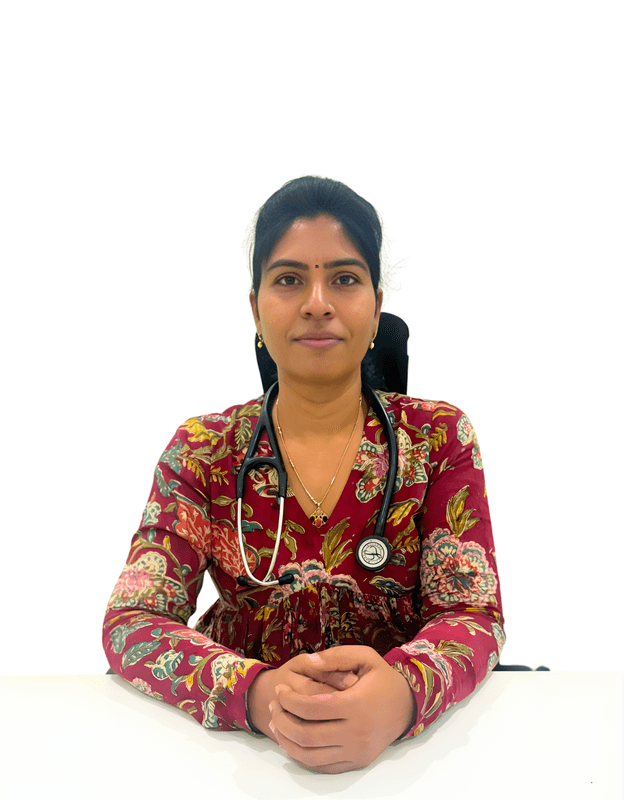
Experiencing Hair Loss? Get an Expert Diagnosis in Nandyala
Book a consultation with Dr. Sireesha at Yashvini Skin & Hair Clinic, Nandyala.