Scar Treatment in Nandyala
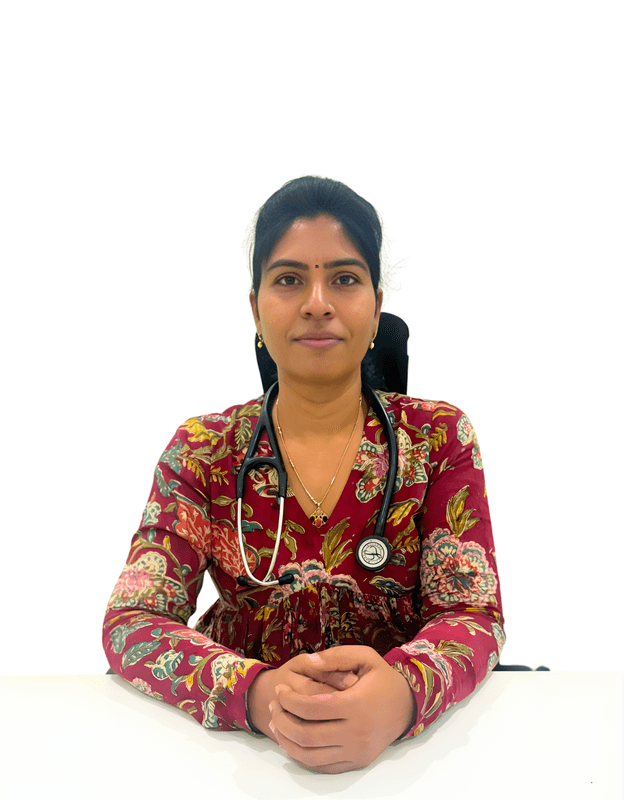
Scars affect both appearance and confidence. Dr. Sireesha at Yashvini Skin & Hair Clinic, Nandyala, offers comprehensive, evidence-based treatment for all scar types — acne scars, keloids, hypertrophic scars, surgical scars, burn scars, and stretch marks — using tailored, combination treatment protocols.
Understanding Scars & Their Treatment
A scar is the skin's permanent fibrous tissue response to injury, surgery, inflammation, or burning. All scars represent a healed wound — but the quality and appearance of that healing varies enormously depending on wound depth, location, genetic factors, skin tone, and the nature of the original injury. In darker skin types — common across Andhra Pradesh — scars can be particularly challenging because the skin's melanocytes respond to any wound or inflammation with excess pigment production (post-inflammatory hyperpigmentation), and fibroblasts can produce excess collagen, forming raised scars (hypertrophic scars and keloids) more readily than in lighter skin tones.
The most important principle in scar treatment is that no scar can be completely erased — all treatments aim to significantly improve the texture, colour, height, and overall appearance of a scar, but transformation from scarred tissue back to completely normal skin is not achievable. Realistic expectations are a cornerstone of ethical scar management. With modern combination treatment protocols — microneedling, radiofrequency, TCA CROSS, intralesional steroids, silicone therapy, fractional CO2 laser, and appropriate topical regimens — 40–70% improvement in scar appearance is an achievable and meaningful outcome for most patients.
Scar treatment is not a one-size-fits-all approach. Atrophic acne scars (depressed below the skin surface) require collagen stimulation through microneedling, TCA CROSS, or fractional laser. Keloids and hypertrophic scars (raised above the skin surface) require collagen suppression through intralesional corticosteroids, pressure therapy, and silicone. Stretch marks require collagen remodelling in the atrophic scar dermis through microneedling or RF microneedling. Dr. Sireesha conducts a thorough scar assessment to identify the scar type and design an appropriate, sequenced treatment plan.
Causes
Symptoms & Types
Atrophic Acne Scars
Depressed scars below the skin surface resulting from collagen loss during acne healing. Three main subtypes: icepick scars (narrow, deep, V-shaped — most common on cheeks), boxcar scars (wider, U-shaped with defined edges), and rolling scars (broad, wave-like depressions with sloping walls). Each subtype responds to different treatments, and most patients have a mix.
Hypertrophic Scars
Raised, firm, red or pink scars that remain within the boundary of the original wound. Caused by excess collagen deposition during healing. More common after burns, surgical wounds, and acne in susceptible individuals. Unlike keloids, hypertrophic scars typically flatten and fade over time (months to years) — treatment accelerates this process.
Keloids
Raised, firm, irregular scars that grow beyond the original wound boundary and continue to expand. May be itchy, tender, or painful. Particularly common on the chest, shoulders, jaw, and earlobes following acne, piercings, or injury in genetically susceptible individuals. Keloids are significantly more prevalent in darker skin tones and can be very difficult to treat — with a high recurrence rate after any intervention.
Surgical & Traumatic Scars
Linear scars from surgical incisions or accidental lacerations. Can become hypertrophic, darkly pigmented (PIH), or irregular in darker skin. Early scar management (silicone gel, sun protection, appropriate moisturisation) in the first 6–12 months after healing can significantly influence the final scar quality.
Burn Scars
Complex scars from thermal, chemical, or friction burns. Can produce contractures (tightening that restricts movement) in extensive burn scars. Appearance concerns include irregular texture, permanent pigmentation changes, and raised or depressed areas. Require specialist assessment — milder burn scars may respond to laser, microneedling, or silicone therapy.
Stretch Marks (Striae Distensae)
Initially appear as red or purple linear marks (striae rubrae) that fade to white/silver with time (striae albae). Caused by mechanical stretching of skin beyond its elasticity in dermis-deficient areas. Most common on the abdomen (post-pregnancy), thighs, upper arms, and breasts. Respond to microneedling, RF microneedling, and carboxytherapy — earlier treatment (red phase) produces better results.
Treatment Options at Yashvini Clinic
Microneedling (Collagen Induction)
Creates controlled micro-injuries that stimulate new collagen and elastin within the scar base, gradually raising and smoothing atrophic (depressed) acne scars and stretch marks. 4–6 sessions spaced 4 weeks apart. Suitable for rolling and boxcar scars, enlarged pores, and white stretch marks.
RF Microneedling
Radiofrequency energy delivered through fine needles into the scar dermis stimulates deeper, more significant collagen remodelling. Superior to standard microneedling for deeper boxcar scars, stretch marks, and hypertrophic scars in the remodelling phase. 3–4 sessions typically produce noticeable scar improvement.
TCA CROSS (Icepick Scars)
Focal application of high-concentration TCA (70–100%) using a fine applicator precisely into the base of individual icepick and narrow boxcar scars. Triggers focal fibroplasia within the scar channel, gradually elevating the scar floor over multiple sessions. The most effective technique specifically for icepick scars.
Intralesional Corticosteroids (Keloids & Hypertrophic)
Triamcinolone acetonide injected directly into raised scars (keloids and hypertrophic scars) reduces collagen overproduction, flattens the scar, and relieves itch and pain. Multiple sessions every 4–6 weeks are needed. Combined with silicone and pressure therapy for keloids. High recurrence risk in keloids after treatment withdrawal.
Silicone Gel / Sheeting
Medical-grade silicone applied over healing or established scars hydrates and softens scar tissue, reduces collagen overproduction, and can flatten and fade hypertrophic scars. Applied daily for 12–24 hours continuously for 3–6 months. First-line non-invasive treatment for any hypertrophic scar or surgical scar.
Fractional CO2 Laser
Ablative fractional laser creates columns of thermal damage in the scar dermis, stimulating significant collagen remodelling. More powerful per session than microneedling for moderate-severe atrophic scars. Requires 5–7 days of downtime and carries a higher PIH risk in darker skin tones — must be performed conservatively with appropriate skin conditioning.
What to Expect
Scar Assessment
- Classify scar type: atrophic (depressed), hypertrophic, keloid, burn, stretch mark
- Assess scar age, size, pigmentation, and skin tone (Fitzpatrick classification)
- Document with standardised photography for baseline comparison
- Identify active acne if present — must be controlled before treating acne scars
- Discuss realistic expectations: 40–70% improvement is the achievable target for most scar types
Active Treatment
- Atrophic scars: microneedling/RF microneedling course + TCA CROSS (if icepick subtype)
- Keloids/hypertrophic: intralesional triamcinolone every 4–6 weeks + silicone gel daily at home
- Stretch marks (red phase): RF microneedling or carboxytherapy 4–6 sessions
- Surgical/burn scars: silicone + intralesional steroids (if raised) + scar massage
- Skincare: brightening actives for PIH component; SPF 50+ throughout all treatment phases
Long-Term Management
- Keloids require ongoing maintenance intralesional injections — stopping treatment risks regrowth
- Microneedling maintenance sessions every 3–6 months sustain collagen remodelling in atrophic scars
- Silicone gel continued for minimum 6 months after hypertrophic scar flattening to prevent relapse
- Sun protection critical for all scars — UV darkens post-inflammatory pigmentation in scar tissue
- Final photographic comparison at 12 months after completing the primary treatment course
Benefits
Aftercare & Home Care
Frequently Asked Questions
Ready to Improve Your Scars? Book a Scar Assessment in Nandyala
Book a consultation with Dr. Sireesha at Yashvini Skin & Hair Clinic, Nandyala.