Telogen Effluvium Treatment in Nandyala
Sudden diffuse hair shedding after illness, childbirth, surgery, or stress is known as telogen effluvium — and it is far more common than most people realise. Dr. Sireesha at Yashvini Skin & Hair Clinic, Nandyala, provides accurate diagnosis, reassurance, and targeted support to help hair recover faster.
What Is Telogen Effluvium?
Telogen effluvium (TE) is a form of diffuse, non-scarring hair loss characterised by an abnormal and excessive shift of hair follicles into the telogen (resting/shedding) phase of the hair growth cycle, triggered by a significant physiological or psychological stressor. Under normal circumstances, approximately 5–15% of scalp follicles are in the telogen phase at any given time. In telogen effluvium, this proportion can rise to 30–50%, resulting in a dramatic increase in daily hair shedding — often 200–400 hairs per day, compared to the normal 50–100.
A defining characteristic of telogen effluvium is the temporal lag between the triggering event and the onset of shedding — typically 2 to 3 months. This delay occurs because it takes that long for follicles that were prematurely pushed into telogen at the time of the stressor to complete the phase and release the hair. This lag often causes confusion: patients experiencing sudden shedding in January may not immediately connect it to an illness or surgery they had in October. Post-COVID-19 telogen effluvium has been widely reported, with significant hair shedding beginning 2–3 months after the infection.
The good news is that in the vast majority of cases, acute telogen effluvium is self-limiting and resolves within 6 to 9 months after the triggering event is removed or resolves, as follicles re-enter the anagen (growth) phase. However, if the underlying trigger persists (such as ongoing nutritional deficiency, thyroid dysfunction, or chronic stress), the condition can become chronic telogen effluvium — defined as diffuse hair shedding lasting more than 6 months. Treatment focuses on identifying and addressing the trigger, optimising nutrition, and providing supportive measures to accelerate follicle recovery.
Causes
Symptoms & Types
Acute Telogen Effluvium
Sudden onset of diffuse hair shedding — typically 200–400 hairs daily — beginning 2–3 months after an identifiable triggering event. Shedding is uniform across the scalp (not patterned). Usually self-resolving within 6–9 months once the trigger is addressed. The most common form seen after COVID-19, post-partum, or post-surgery.
Chronic Telogen Effluvium
Diffuse hair shedding persisting for more than 6 months, often fluctuating in intensity. Typically indicates an ongoing or unaddressed trigger — most commonly chronic iron deficiency, persistent thyroid imbalance, or chronic psychological stress. Requires thorough investigation and longer-term management.
Post-COVID-19 Telogen Effluvium
One of the most commonly reported long COVID symptoms. Hair shedding begins 2–3 months after COVID-19 infection and can be dramatic and distressing. Most cases resolve within 6–9 months. Nutritional support (particularly protein and iron) and patience are the mainstays of management.
Post-Partum Telogen Effluvium
Extremely common, affecting up to 40–50% of women after childbirth. During pregnancy, elevated oestrogen keeps follicles in the growth phase longer — after delivery, the hormonal drop causes synchronised shedding 2–3 months later. Almost always self-resolving within 9–12 months post-delivery.
TE Superimposed on Androgenetic Alopecia
A significant number of patients presenting with apparent telogen effluvium actually have underlying androgenetic alopecia that the acute shedding unmasks or accelerates. Trichoscopy can distinguish this mixed presentation, which requires treatment of both components.
Treatment Options at Yashvini Clinic
Identify and Treat the Underlying Trigger
The single most important step. Blood tests to identify iron deficiency, thyroid dysfunction, nutritional gaps, or hormonal imbalances. Addressing the root cause is the primary driver of recovery and cannot be replaced by symptomatic hair treatments alone.
Nutritional Supplementation
Iron supplementation (with Vitamin C for absorption) is critical when ferritin is low. Protein intake should be adequate (1–1.5 g/kg body weight). Vitamin D, B12, zinc, and biotin are prescribed where deficient. A dermatologist-supervised supplement programme is preferable to self-medicating with random hair vitamins.
Reassurance and Patient Education
For acute TE with a clear, resolved trigger, reassurance that the condition is temporary and self-limiting is the most important and often most effective 'treatment.' Anxiety about hair loss can itself worsen TE — understanding the condition's natural course reduces this secondary stressor.
Topical Minoxidil (If Needed)
Not routinely required for acute TE that is resolving, but prescribed in chronic TE or where androgenetic alopecia is co-existing. Helps maintain follicle activity and may reduce the extent of shedding during recovery. Starting minoxidil does not mean you need it permanently — it can be tapered once TE resolves.
PRP Therapy (Acceleration)
For patients with prolonged TE or chronic TE, PRP therapy may help accelerate follicle re-entry into the anagen phase, supporting faster recovery. Particularly useful when TE is superimposed on androgenetic alopecia or when nutritional optimisation alone has been insufficient.
Stress Management
In stress-triggered TE, addressing the psychological component is essential. Patients are counselled on the role of chronic cortisol elevation in hair cycle disruption. Referral for psychological support, mindfulness, or counselling is offered when stress is an ongoing trigger.
What to Expect
Diagnosis Phase
- Detailed history: identify triggering events from 2–3 months prior to shedding onset
- Pull test (gently pulling 40–60 hairs) to confirm active telogen effluvium
- Trichoscopy to assess for co-existing androgenetic alopecia or miniaturisation
- Blood investigations: CBC, ferritin, thyroid function, Vitamin D, B12, zinc, hormones (women)
- Baseline scalp photographs to track recovery progress objectively
Treatment Phase
- Begin targeted supplementation for identified deficiencies — allow 3–4 months for effect
- Thyroid treatment or hormonal management if indicated
- Topical minoxidil prescribed if TE is chronic or androgenetic component present
- PRP sessions if proceeding with acceleration therapy (3–4 sessions, 4 weeks apart)
- Review at 2–3 months to monitor shedding reduction and early regrowth signs
Recovery Phase
- Short, fine 'baby hairs' appearing at the scalp surface are the first sign of recovery
- Full thickness restoration takes 6–12 months after shedding stops
- Continue nutritional support throughout the recovery period
- Shedding may fluctuate slightly — this is normal during recovery
- Annual check-up to ensure no residual nutritional deficiency or underlying cause remains
Benefits
Aftercare & Home Care
Frequently Asked Questions
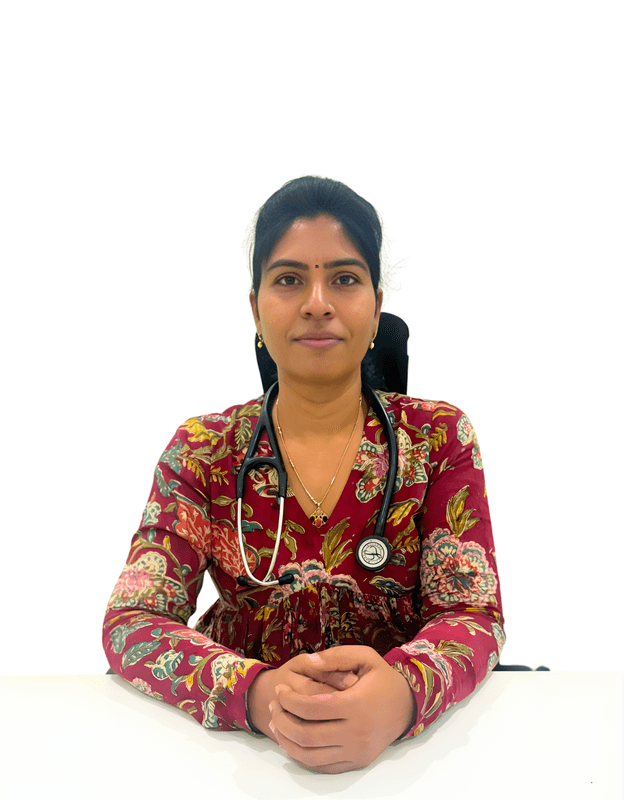
Experiencing Sudden Hair Shedding? Get an Accurate Diagnosis in Nandyala
Book a consultation with Dr. Sireesha at Yashvini Skin & Hair Clinic, Nandyala.